
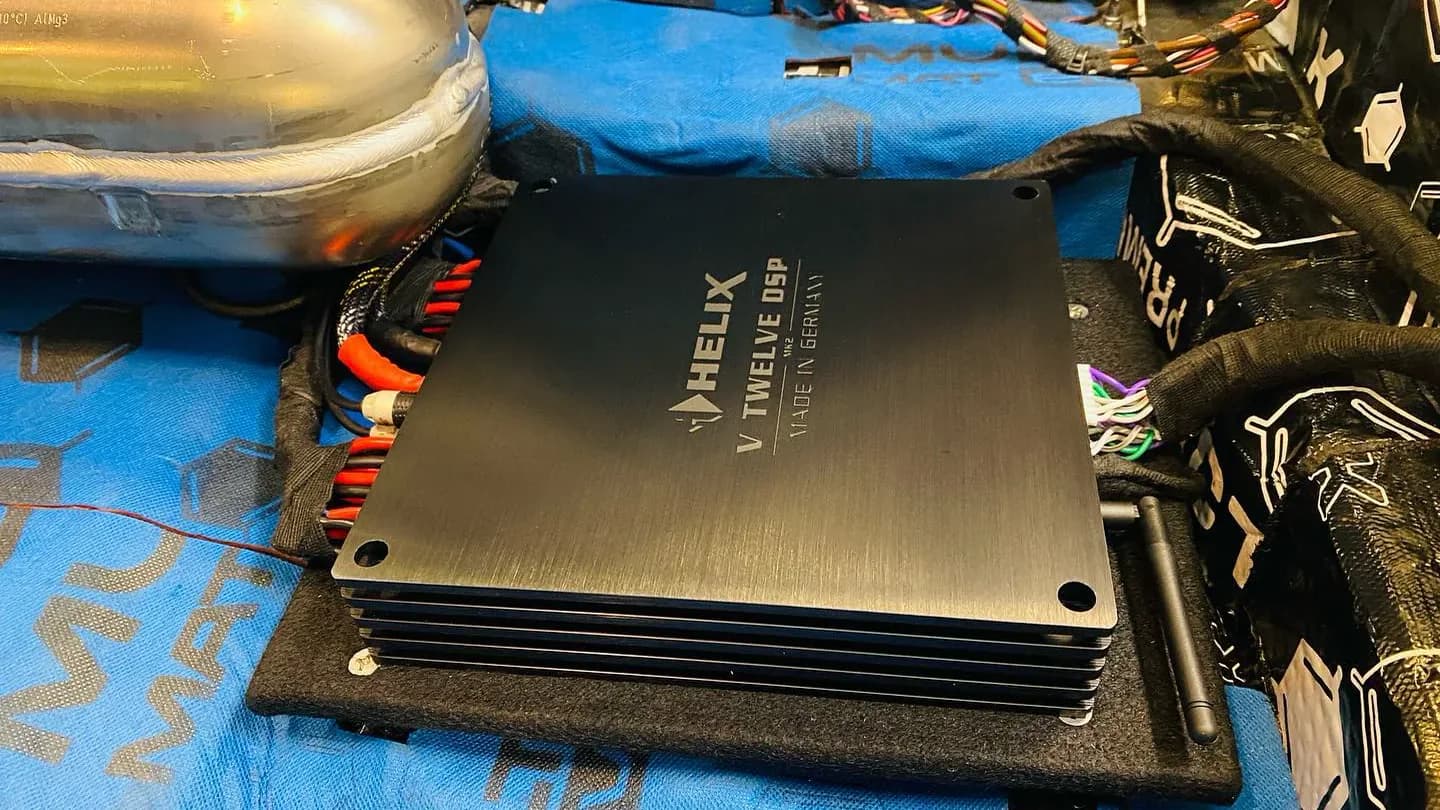
Consider a DSP when you want to keep the factory stereo and adjust channel levels, frequency bands and delays individually. A separate processor needs a suitable amplification stage; a DSP amplifier combines both functions. Before choosing, check the source signal, channel count and compatibility with the exact factory audio system. A processor cannot repair a damaged speaker or a loose mounting.
What does a DSP do, and what does an amplifier do?
A DSP, or digital signal processor, provides tools to align channels: equalisation, filters and delays. An amplifier supplies power to the speakers. These are different tasks, even when one enclosure performs both. Keep the question of whether you need processing separate from whether you need a more powerful amplifier.
Describe the goal through what you hear: vocals pulled to one side, harsh sound, or front speakers and a subwoofer that seem disconnected. That note helps identify what to investigate. It does not yet establish which component causes the problem.
Separate processor or DSP amplifier?
The HELIX DSP MINI MK2 is an example of a separate processor: its line outputs connect to amplifiers. The MATCH UP 8DSP MK2 combines eight amplifier channels with nine processed DSP channels. The processor channel count therefore does not necessarily equal the number of powered speaker outputs.
Compare the architecture of the whole installation. If suitable amplifiers are already present, a separate processor may fit the next stage. If you also need powered channels, assess an integrated device. These examples explain the design difference; they are not a fitment recommendation for your car or a statement of the studio’s equipment.
| Starting point | Option to consider | What to confirm |
|---|---|---|
| Suitable amplifiers already installed | Separate DSP | Amplifier inputs, signal levels and processor output count |
| Processing and amplification both needed | DSP amplifier | Powered channels, speaker loads, supply and mounting space |
| Stereo or system already has DSP adjustments | Assess the existing controls first | Whether a function is missing or the current setup needs adjustment |
| Crackling or vibrating door panels | Diagnosis first | Speaker condition, mounting, wiring and when the symptom occurs |
Can you keep the factory stereo?
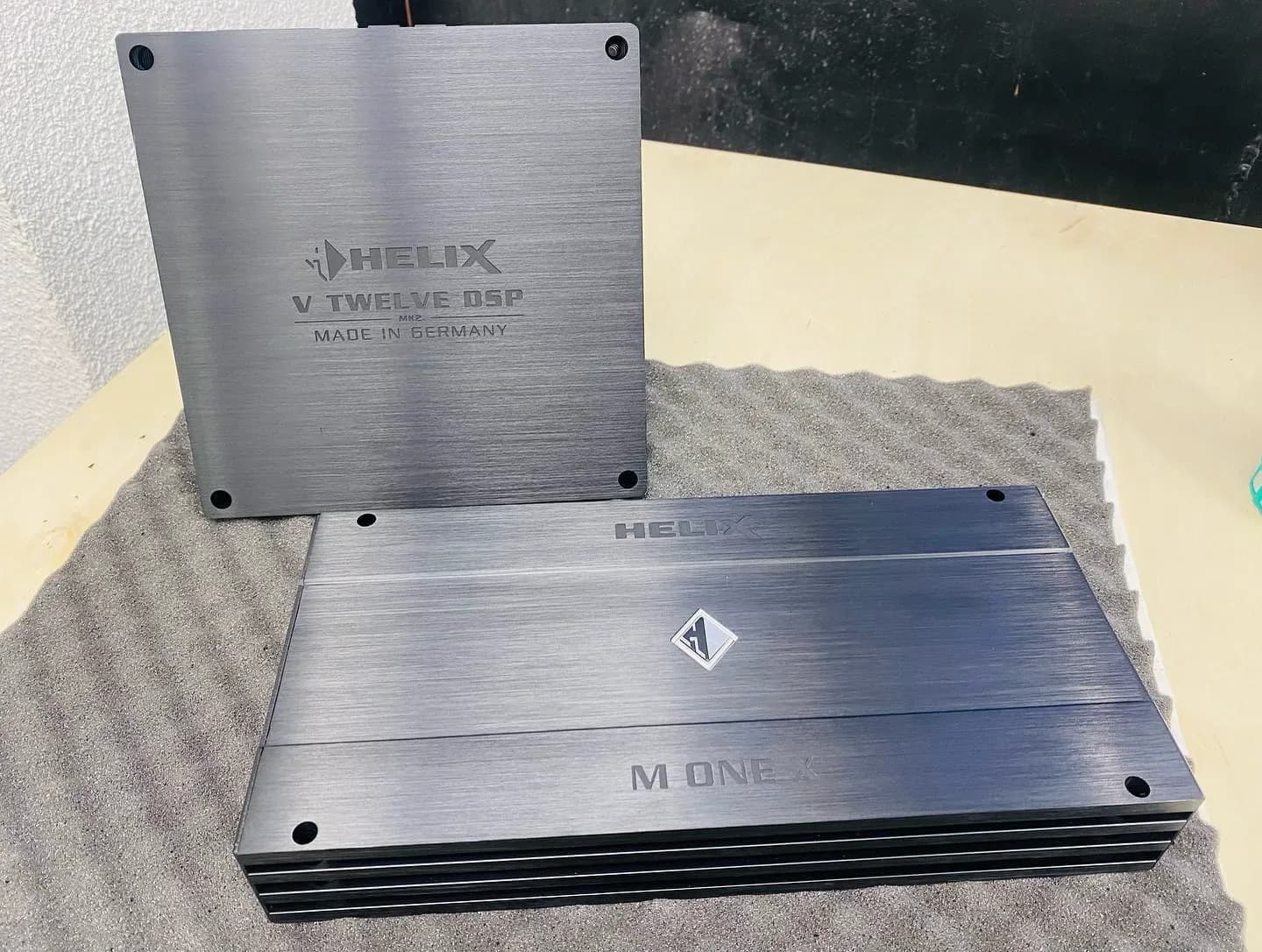
Often yes, but the signal path depends on the equipment version. A high-level input on a suitable device accepts a speaker-level signal. Its allowed level, input count and turn-on method must match the installation. An optical input on a DSP does not, by itself, establish compatibility with the car’s digital bus.
Check whether the signal comes from the head unit or a separate factory amplifier. The car model alone is insufficient: the audio system version matters. MATCH’s selection tool also distinguishes model, year and sound system. A plug & play description still requires the correct harness and exact vehicle configuration to be confirmed.
Why is connecting the hardware only part of the job?
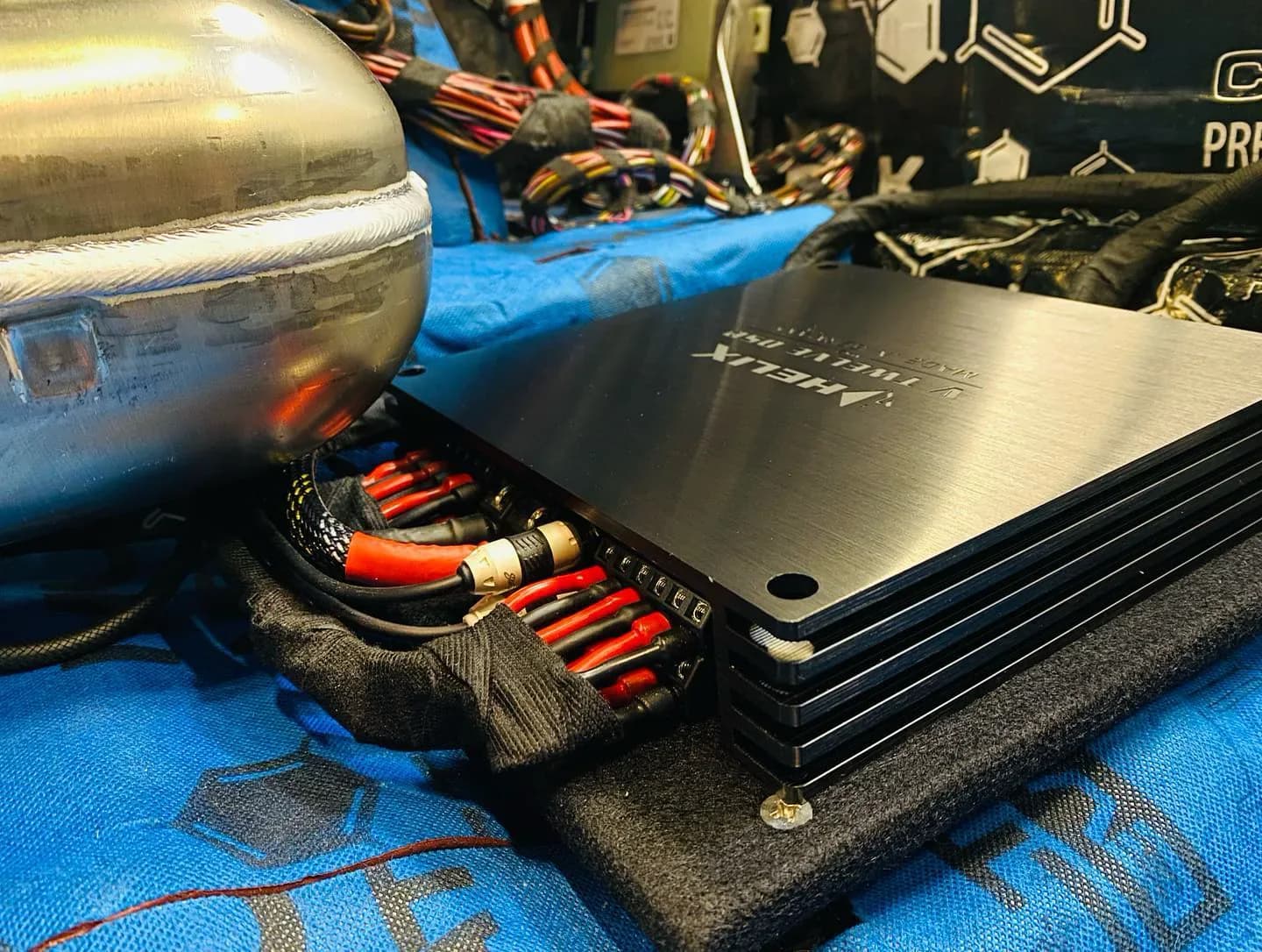
Input sensitivity adjustment, DSP configuration and input signal analysis are best treated as separate steps. Factory equalisation may already be present in the signal. Adjusting only the final sound without checking what reaches the processor leaves an important integration step unaddressed.
Include channel assignment, filters suitable for the speakers, levels and listening checks in the work plan. Do not transfer a setup file simply because the car wears the same badge. Record the source, speaker combination and connection layout for which the configuration was prepared.
When should a DSP wait?
If something distorts, a channel drops out or a door panel vibrates, establish the cause first. Reducing a symptom with equalisation does not replace checking the installation. A request for deeper bass also calls for a discussion of speakers, enclosure and amplification, rather than just the processor’s feature count.
Can factory speakers stay? In some configurations yes, but their limits and the amplifier’s speaker-load requirements still apply. Does a DSP need configuring after installation? Yes: the configuration must suit the connected channels and speakers; buying the device alone does not achieve this.
Checklist for discussing an installation in Warsaw
Gather the following information before asking for a system proposal. You do not need to dismantle the stereo or measure its outputs yourself.
- Make, model, year and exact factory audio version; a menu photo or system name.
- Current speakers, subwoofer and any additional amplifiers; plans for future upgrades.
- What you want to change, which seat matters most and how you listen.
- Functions to retain: controls, calls, navigation and vehicle alerts.
- Proposal scope: signal integration, devices, harnesses, supply, installation, configuration and function checks.
How many channels does the planned configuration need?
Count inputs, processing channels and amplifier outputs separately. An active two-way front uses four independent paths for two woofers and two tweeters. A passive kit with the correct crossovers can use two power channels. This illustrates architecture rather than wiring for a specific car.
An additional line-level DSP output for a subwoofer is not a speaker output: it still needs amplification. Match spare channels to the expansion plan and permitted loads to the device manual.
Questions and answers
Can an online preset replace tuning?
No. It must match routing, drivers, amplifiers and crossovers. Incorrect active-tweeter configuration can damage the driver. A file from the same car model does not confirm compatibility with the complete installation.
What is input-signal analysis?
Checking what the radio or factory amplifier actually sends: bandwidth, equalisation, delays and possible phase changes. It is a different stage from measuring the finished sound with a microphone in the cabin.
Do more DSP channels mean more power channels?
No. A processing channel may feed a line output for another amplifier. Compare input count, processed channels and physical powered outputs separately.
Want to keep the stereo and plan a DSP upgrade?
Describe the audio version, existing components and your listening goal. This provides a starting point for checking integration and defining the upgrade scope.