
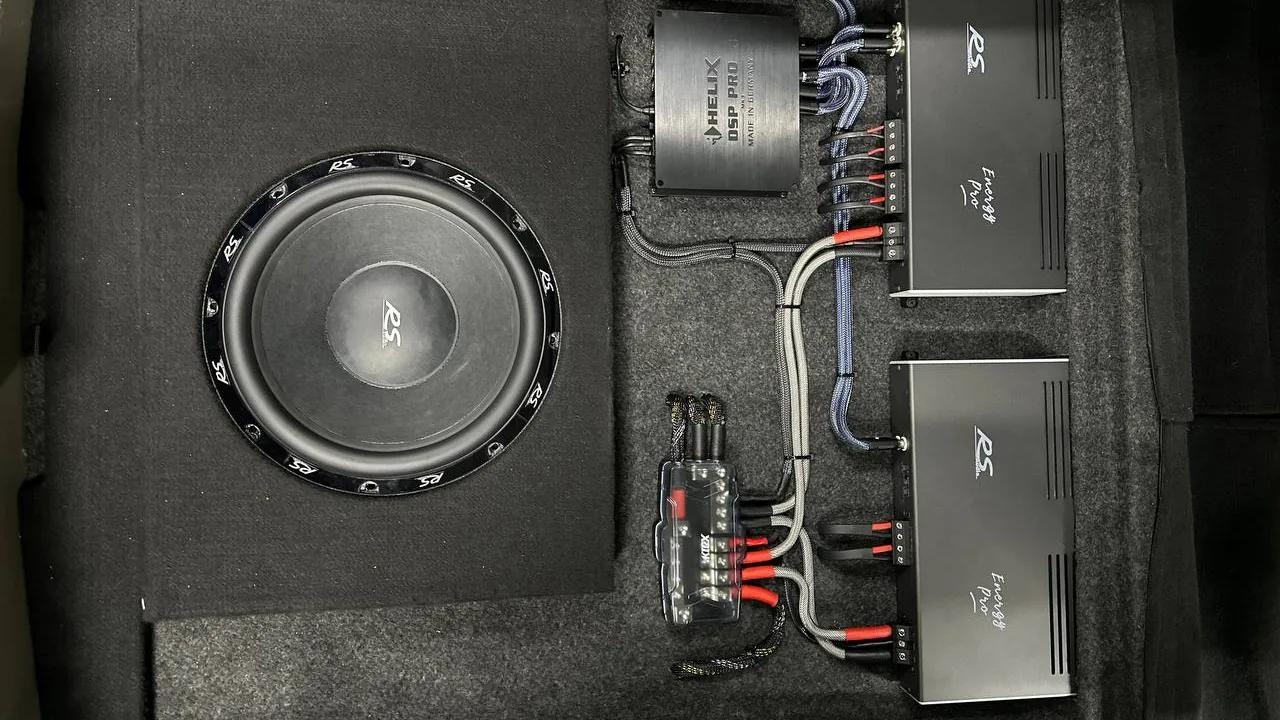
If vocals pull to one side after a car audio installation and the subwoofer sounds disconnected from the front speakers, check the DSP tuning. If a channel cuts out, a door panel rattles or the sound breaks up as you turn it up, start by checking the installation and the signal path. Tuning makes sense once every speaker gets the right signal and works correctly.
Record when you can reproduce the problem
With the car parked, pick a familiar track and find the point where the problem is easy to hear. Note the source, preset, seat position and volume shown on the head unit. Add when the problem started and whether it followed the installation, a preset change or playback from one particular source. Change one thing at a time, such as the playback source. Stop the test if you hear severe distortion or the system starts shutting down.
A sample note for an installer could read, “In the driver’s seat on preset 1, the chorus vocal at 0:42 sits well to the left at my usual volume. I hear it on the same recording from USB and from my phone.” That gives the installer a specific symptom to reproduce alongside any preferences about bass or tone.
Is it the installation, the signal or the tuning?
A symptom can have several causes. Use these checks to decide where to start before buying any parts.
| What you hear | What to check first |
|---|---|
| Vocals always pull to one side | Check that both channels play. If the front speakers work, compare channel levels and delays for the driver’s seat. |
| Bass drops when the front speakers and sub play together | Measure the front speakers and sub separately and together. Check polarity, filters and how they combine around the crossover. |
| Crackling or harshness as the volume rises | See whether it happens with several sources. Ask which stage is clipping or which part is making the unwanted noise. |
| One door rattles or a channel cuts out | Start with the mounting, connections and speaker. Listen again after the cause has been addressed. |
What comes before adjusting the DSP equaliser?
A DSP is a digital signal processor. If the device supports it, save a copy of the current tune and record the active preset. An installer can then check what reaches the inputs and trace the routing, which assigns signals to outputs. A factory source may already apply its own filters or equalisation. The MATCH UP 8DSP MK2 manual treats input analysis and input sensitivity adjustment as separate steps. Output EQ cannot restore a clean signal once the input has clipped.
Once the signal path is verified, check the filters for each speaker, the channel levels and the delays. A microphone measurement shows the response in the cabin and helps assess how the speakers work together at the listening position. Then it makes sense to adjust the tonal balance. A loose mount, damaged speaker or a system running out of clean volume needs a separate check. Consider replacing a component once you know it is what limits the system.
How to compare the sound when you collect the car
Go back to the passage where you heard the problem. Compare from the same seat and source at roughly the same perceived volume. Two presets can play at different levels even if the display shows the same number.
- Try several tracks to hear whether the vocals stay where you agreed and the bass blends with the front speakers.
- Check your usual volume range and any car functions that use the speakers, such as navigation prompts or parking alerts, where fitted.
- Find out where the final preset is stored and whether a backup can be kept for future changes.
Questions and answers
Will a driver’s preset also sound right for the passenger?
Delay settings depend on the distances between the speakers and the listener. If you often travel with a passenger, listen from both seats and decide whether you want a compromise. Where the processor can store several setups, compare a driver-focused preset with another for travelling together.
Does the DSP need retuning after replacing one speaker?
Check at least the affected channel and how it works alongside neighbouring speakers. A different model or mount can change the level, frequency response and how speakers combine around the crossover. The old preset gives you a reference, and its settings are worth checking after the replacement.
What if it only happens with one music app?
Compare the same recording from another source at a similar listening level. Note whether the app applies EQ, volume normalisation or spatial audio. If the symptom follows the app, start with its settings and playback path. Changing a shared DSP preset may also affect sources that already sound right.
Want to discuss car audio tuning in Warsaw?
Have the car model, a list of installed equipment and a short description of the symptom to hand. The service page has the studio’s contact details and explains the scope of installation and tuning.